
Drink
Water filtration you can trust.
Clean tap water isn’t a guarantee. It can be loaded with less than satisfactory levels of contaminants like lead, mercury, arsenic, pharmaceuticals, pesticides, and herbicides, along with chlorine, chloramine, and sanitization byproducts. At Brondell, we believe that clean water shouldn’t be considered a luxury. We’ve developed trustworthy and affordable water filtration systems that offer meaningful contaminant reduction. From at-your-faucet countertop filtration to under-counter reverse osmosis systems, Brondell can help you fill your cup—safely.
With a Brondell water filtration system, you can enjoy superior, great-tasting water straight from your tap. Our beautifully-designed faucets, countertop, and under-sink water filtration systems deliver delicious water that's better for you and the planet, too. Choose the water filtration system that best fits your needs, and enjoy cleaner, tastier water, without the contaminants that can get between you and healthy hydration.
Recommended For You
- Add To CartSale Price: $194.99Original Price: $194.99
- Add To CartSale Price: $143.99Original Price: $179.99
- Add To CartSale Price: $449.99Original Price: $449.99
- Add To CartSale Price: $329.99Original Price: $329.99
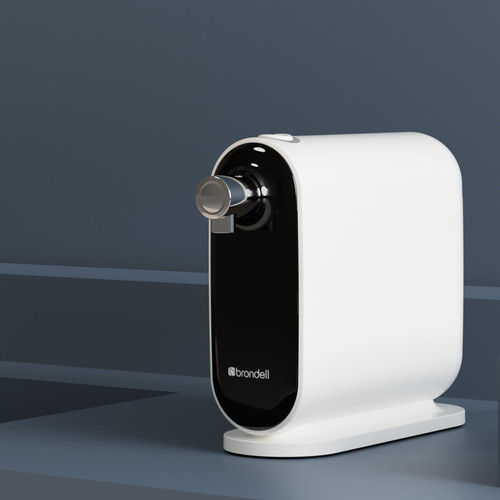
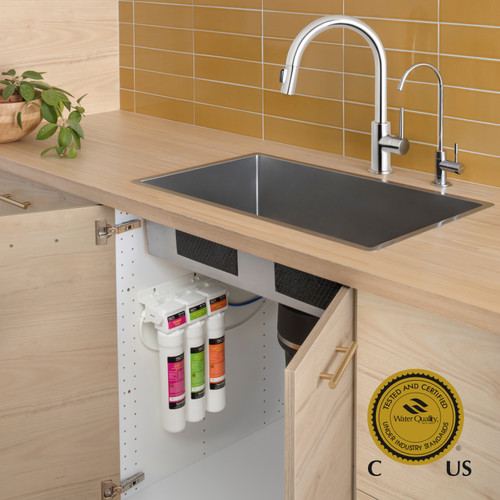
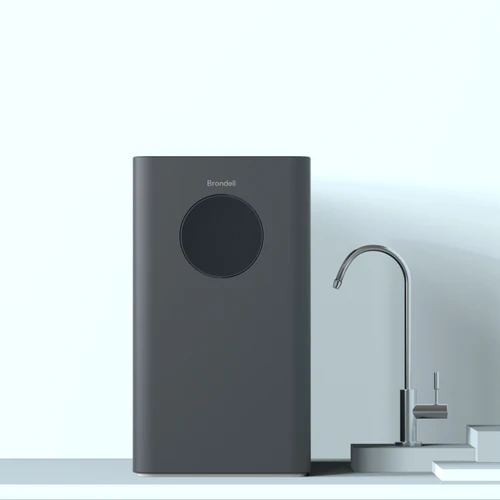

Carbon block filtration
Activated carbon is a water filtration powerhouse, reducing a wide range of impurities from water, including industrial chemicals, chlorine, specific pesticides and herbicides, heavy metals, and volatile organic compounds (VOCs).
Single and multi-stage filtration
Choose the level of filtration that best fits your needs. We offer single-stage carbon filtration, three-stage carbon filtration, and multi-stage reverse osmosis systems.
Smart features
Brondell water filtration systems are designed for ease, affordability, and effective filtration with minimal maintenance. Our systems feature patented water-saving technology, LED filter-change indicators, extended filter performance, and easy “twist-and-seal” filter changes.
Specialized filters
Additional filtration stages minimize turbidity (cloudiness), reduce unwanted fluoride, and offer filtration of specific emerging contaminants. Emerging contaminants are a class of substances that are monitored by the Environmental Protection Agency (EPA) for their presence within the global water supply, for which the threat to human health is not currently understood. For a full list of contaminants reduced by each of our water filtration systems, you may view each system’s individual Performance Data Sheet.
What does WQA certification of NSF/ANSI standards mean?
Brondell water filtration systems are certified by the Water Quality Association (WQA) to National Sanitation Foundation (NSF) and American National Standards Institute (ANSI) standards. NSF and ANSI standards promise that a product meets strict criteria for public health protection. NSF and ANSI work together to ensure manufacturer compliance of these set standards.
Customer Testimonials

Coral Single-Stage Under Sink Carbon Block Water Filtration System
★★★★★"... I purchased this because it was rated highly by Consumer Reports. I was looking for an under sink filter that could filter out PFAS and microplastics from our drinking water without costing a small fortune. Overall, I'm very pleased with this filter."
-Vanesa
★★★★★Excellent and easy to install. Has the most NSF certs vs competitor products. Great tasting water. Discarded the provided faucet as it looked cheap and didn't match our existing faucet finish.
-Omar A.
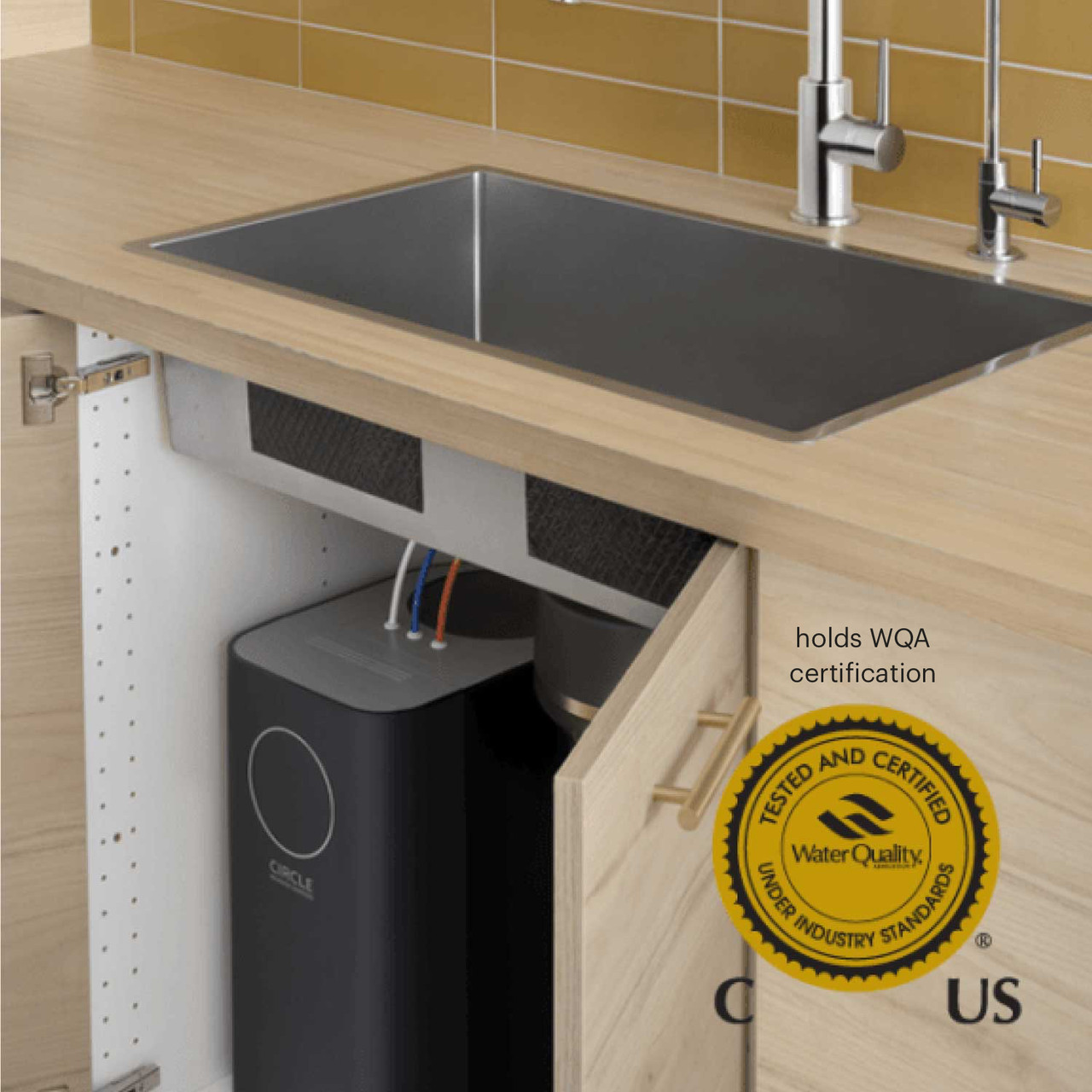
Circle Reverse Osmosis Under Counter Water Filtration System
★★★★★"There are so many systems out there to choose from. This system appealed to me because of the space saving design, appearance, less water waste, and the promise of an easy installation. There was no embellishment regarding the installation. I found it to be quite easy. I had it installed and working in about an hour. The water tastes great, and we still have lots of space under the sink for storage."
-Jon G
★★★★★"This is one of the best RO System that I explored that fullfills all my needs with better space management. Took me less than an hour to go through the installation video and fixing it and it is super easy. Leaves lot of space under the kitchen sink unlike other RO systems. Highly recommended."
-Rkadali
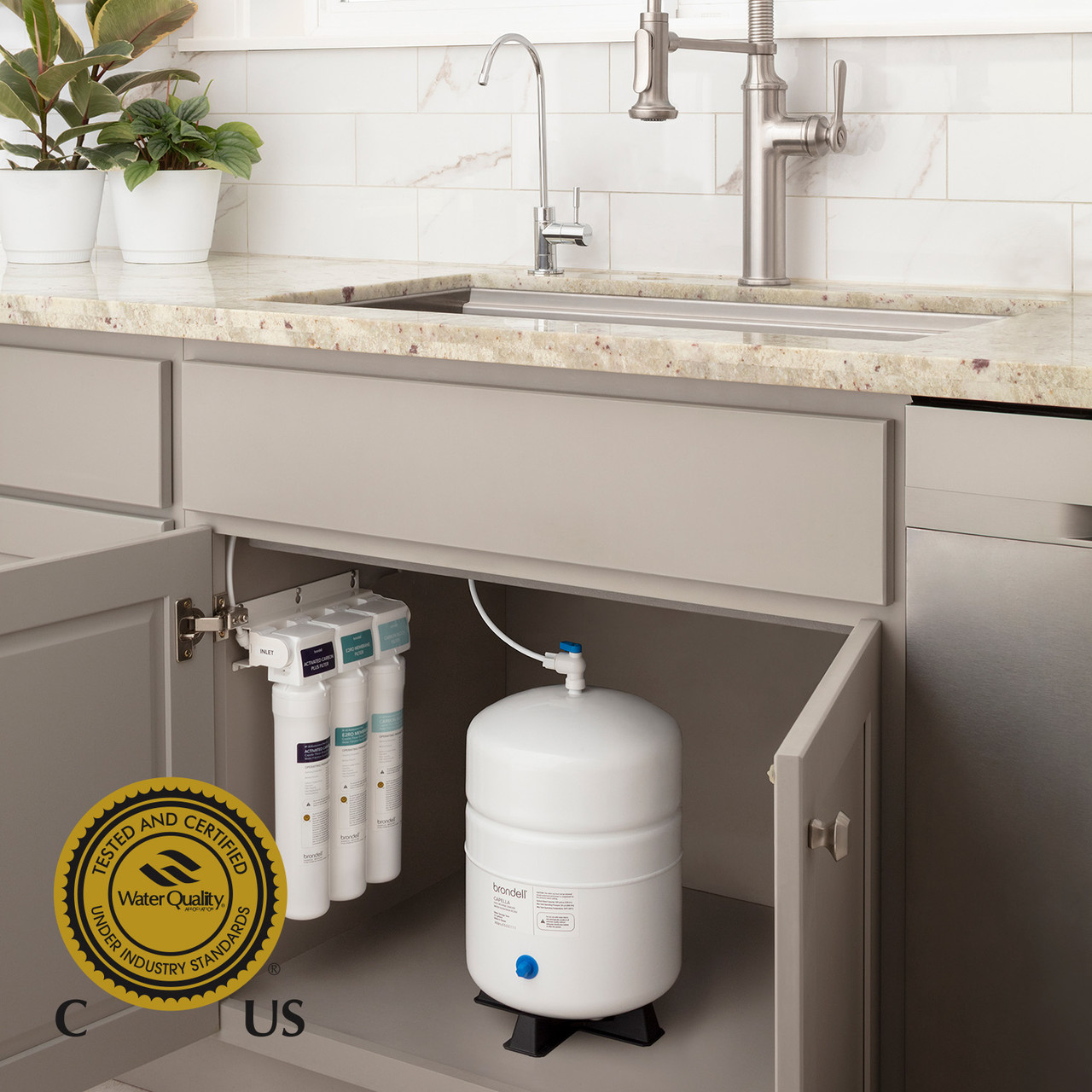
Capella Reverse Osmosis Under Sink Water Filtration System
★★★★★"Water supplied by township had heavy metals, very hard to drink. Explored many RO water filtration systems. I did run couple of water test on Brondell CAPELLA RO filtered water. Water is free from heavy metals, soft and tasty."
-Rithesh P.
★★★★★"Great design, everything went together well and worked leak-free. Water tastes very good, and is mineral-free (judging by no residue on my CPAP machine). I'm very happy with the product. Good work, Brondell."
Myles D.
What's in your water? Here's how to find out.
Water quality varies widely throughout different regions of the United States, and can even have noticeable variances within municipalities. To start uncovering what’s in your tap water, check with your local water supplier. State agencies are responsible for ensuring that drinking water meets National Primary Drinking Water Regulations. Most community water systems also provide customers with an annual water quality report. This report may contain information about:
Circle Reverse Osmosis Under Sink Water Filtration System
patented Smart Valve and flexible storage tank eliminate back pressure
up to 10 times more efficient than conventional reverse osmosis systems
rapid refill rate—faster than traditional RO systems
clean, space-saving design
includes modern chrome faucet
planet-friendly, electricity-free operation
Capella Reverse Osmosis Under Sink Water Filtration System
our most efficient RO system—up to 20 times less wastewater compared to traditional RO
certified reduction of over 86 contaminants, including microplastics, VOCs, chlorine, and more
1:1 wastewater to filtered water ratio
patented, eco-efficient reverse osmosis membrane filter ensures high water recovery rate
included air gap faucet prevents wasteful backflow
planet-friendly, electricity-free operation
A green thumb starts with clean water.
The moments you take to care for your indoor plants, windowsill herb gardens, and container veggies is time well spent. And just like you, indoor and outdoor plants can benefit from filtered water. Filtration removes chlorine and chlorine byproducts that can sap your plants of their vigor and vibrance, along with herbicides and pesticides that may be present in city water. Filtration helps keep your plants organic—exactly how you (and nature) intended.
Fill your (measuring) cup.
From steaming and sautéing, to soaking and stir-frying, water is a main ingredient in the kitchen. Make sure it’s the best. Many contaminants found in tap water are still present after cooking, and in some cases, can even become more concentrated, especially when water is boiled or absorbed into ingredients. Make the switch to filtered water while you’re cooking in the kitchen—better flavor, improved texture, and healthier moments await.
Filtered water for pregnancy–and beyond.
From the earliest days of pregnancy, through birth and beyond, filtered water provides parents the peace of mind that comes with providing the very best for baby. Count on a Brondell water filtration system to reduce bacteria, viruses, lead and other heavy metals, agricultural chemicals, and more. Filtered tap water is less wasteful than bottled or distilled water, and comes with less risk of microplastic and BPA exposure, which can also harm the development of infants, toddlers, and young children.
Better breast milk.
Breast milk contains all of the nutrients and antibodies that babies need during a crucial period of growth and cognitive development. And while the American Academy of Pediatrics (AAP) maintains that “breast is best,” it is worth noting that contaminants present in the water table have been found in human milk. Per- and Polyfluoroalkyl Substances, herbicides, and pesticides ingested by nursing mothers can pass to baby through breast milk. Mothers wishing to reduce infant exposure to these chemicals should consider switching to filtered water, in addition to maintaining a healthy diet and lifestyle. Staying hydrated boosts breast milk production—so make sure you’re drinking the very best.
Better bottles.
When preparing bottles from powdered formula, it's vital to always use water from safe sources. If your tap water is unsafe, boiling water can help kill waterborne pathogens and remove chlorine, but it cannot remove other unwanted contaminants, including herbicides, pesticides, heavy metals, and “forever chemicals” such as PFAS. Bottled water may not be any better—the Environmental Working Group (EWG) reports findings of bacteria, nitrates, and ammonia in bottled water, along with PET microplastics. Using a water filtration system that is certified to reduce bacteria and viruses is a safe alternative for making formula, filling sippy cups, and providing your baby with tasty, top-quality hydration.
Got hard water? A filter can help with that.
Hard water is high in dissolved minerals, such as calcium and magnesium. Water hardness is measured in grains per gallon (GPG), with moderately hard water falling between 3-7 GPG, hard water between 7-10 GPG, and very hard water at 10-14 GPG. Around the home, hard water can lead to staining, build-up, and less sudsing while you’re soaping up in the shower. At your tap, these minerals lead to water that has an undesirable flavor—sometimes described as bitter or chalky—that can make it hard to want to stay hydrated.
Reverse osmosis offers powerful filtration of a wide range of contaminants and minerals, including those that charcoal filters miss. For water that tastes and smells refreshingly pure, consider a reverse osmosis filtration system. Ours include additional stages of carbon block filtration and WQA certification, so you’ll never have to wonder what’s in your cup.
grease-resistant food containers and fast food packaging
fertilizers
firefighting foam
chemical production and product manufacturing
personal and body care products, including lotions, cosmetics, and dental floss
non-stick cookware
PFAS and PFOS are being found in increasing amounts throughout the United States and worldwide.
A growing body of research links exposure of these chemicals to a range of illnesses and chronic conditions, including:
Medicine belongs in the cabinet—not in your water supply.
Dissolved pharmaceuticals are often present in tap water, and levels of both over-the-counter and prescription drugs within the water supply are increasing. The United States Geological Survey(USGS) reports that drug manufacturing is a leading contributor to pharmaceuticals within the environment. Other means of pharmaceutical water contamination include improper disposal of medications, agricultural & farming applications, and human elimination.
The Brondell Capella Reverse Osmosis Under Sink Water Filtration System and the Brondell Coral Three Stage Under Sink Carbon Block Water Filtration System are certified by the WQA to reduce emerging contaminants, including pharmaceuticals such as Ibuprofen, Atenolol, and Naproxen from tap water. For a full list of contaminants reduced under NSF/ANSI standard 401, visit the performance data sheets for these products.
Hydration Benefits.
Hydration is key to good health.
Your body is powered by water. Every cell and system within it depends on high-quality hydration. Make sure you’re giving your body only the best—water with reduced contaminants, heavy metals, environmental chemicals, and chlorine taste and odor.
Here are just a few of the many benefits of staying hydrated.
Top-quality water for you (and your furry friend, too).
Household pets can benefit from drinking filtered water. Similar to young children, most pets have a lower body mass than adults and may be more susceptible to negative health effects associated with heavy metals, PFAS, and pharmaceuticals found in tap water. A high level of total dissolved solids (TDS) is linked to tear staining in dogs, while excess copper can cause extensive liver damage. Finicky pets may be turned off by tap water’s chlorine taste and odor, leaving them less likely to drink, and leading to dehydration—a key contributor when it comes to urinary tract infections (UTIs) in household animals. A great rule of thumb: if you’re uncomfortable drinking water straight from your faucet, don’t serve it up to your fluffy pal, either. Fill your pet’s bowl with tasty, filtered water—and relax knowing you’re providing the best.
Healthier hydration begins with fewer contaminants.
Clean water isn’t a luxury—it’s a foundation of health. But ensuring that your tap water is clean has become an increasingly difficult task. Environmental and societal changes have led to increased contaminants found within the global water supply.
Bottled water isn’t better.
Bottled water isn’t just terrible for the planet, it may not be good for you, either. In fact, bottled water may contain as many—or sometimes more—contaminants as tap water, including arsenic, PFAS, and lead. The Environmental Protection Agency (EPA) sets regulations for tap water, and the Food and Drug Administration (FDA) applies these same regulations to bottled water. The EPA urges all Americans to investigate the quality of their drinking water, whether it’s from a tap or a bottle, before making decisions about what to drink.
The environmental impact of bottled water.
Extra additions to bottled water—chemicals, microplastics, and more.
Investigation by the Environmental Working Group (EWG) found that water bottles made from polyethylene terephthalate (PET) plastic can leach upwards of 80 different chemicals into bottled water when exposed to sunlight, heat, or while in storage. In addition, bottled water frequently contains microscopic polypropylene particles originating from the water bottle cap. Phthalates, arsenic, and microbial cysts may also be present in bottled water.
Ready to break up with bottled water, but worried about sacrificing convenience? Our Coral, Circle, and Capella filtration systems each include a modern water dispenser faucet as part of the filter system, making it simple to fill your reusable water bottle for healthy hydration away from home.
Is sparkling water good for you?
Some brands of fizzy water or seltzer water have been found to contain PFAS. Investigation by Consumer Reports found toxic PFAS chemicals in several popular sparkling water brands. For better bubbly beverages, invest in a high-quality water purifier and at-home seltzer maker, and enjoy higher-quality sipping without the contaminants—and without the single-use container.
Learn more about the WQA and NSF/ANSI standards.
NSF
NSF helps to guarantee product integrity at every level, from product testing, product components, factory inspection, and more. It’s important to note that certification is not a one-time award, but an ongoing relationship between the manufacturer and NSF, including performance testing, literature review, and a yearly facility audit. If a product fails to meet the listed criteria at any time, NSF certification can be revoked.
ANSI
ANSI offers accreditation to companies that manufacture a broad range of products, including reverse osmosis water filters, inline water filters, and countertop water filtration systems. As an organization, ANSI does not develop performance-based standards. The institute instead provides a structured system for standard development, quality assessment, and product integrity assurance.
What is WQA Gold Seal Certification?
The Water Quality Association (WQA) upholds the standard for residential water quality. The WQA provides a Gold Seal Certification program to help manufacturers assure their filtration devices meet national safety and performance standards. Products certified by the WQA have undergone independent, rigorous laboratory testing. Certification ensures that consumers can trust manufacturer reduction claims regarding filter performance.
Standard 53
Exposure to PFAS chemicals has been linked to low infant birth weights, immune system and hormone disruption, and specific cancers . The United States Congress has begun measures to regulate the presence of PFAS in municipal tap water with the PFAS Action Act, but these “forever chemicals” currently remain unregulated. NSF/ANSI standards 53 and 58 are the main certification standards for PFAS reduction.
Standard 53 also includes reduction of specific contaminants known to cause poor health effects, including heavy metals such as mercury and lead, arsenic, waterborne bacteria, pesticides and herbicides, the gasoline additive MTBE, trihalomethanes, and more. Standard 53 ensures your carbon water filter system will reduce unwanted contaminants in your family’s drinking water.
Standard 58
This standard applies to reverse osmosis water filtration systems. Reverse osmosis filtration works differently than adsorptive (carbon) filtration, and is capable of reducing a higher number of contaminants than carbon-based systems. Standard 58 ensures the reduction of lead and other heavy metals, arsenic, unwanted fluoride, and more.
Standard 42
Standard 42 includes reduction of chlorine and chloramine taste and odor, in addition to sediment and other particulates. If your tap water comes from a municipal water treatment plant, it is likely that it has been treated with chlorine or chloramines. Both offer reliable sanitization of regular water and kill a vast range of bacteria, viruses, and waterborne pathogens. Chlorine and chloramine are also incredibly effective at keeping your water clean after it leaves the water treatment plant, traveling miles through pipes where treated water can be exposed to new contaminants, bacteria, molds, and viruses.
Sanitization is necessary for providing safe drinking water. Yet chlorine and chloramine are often still present in water as it flows from your tap and into your cup, lending it an unpalatable taste and smell. Standard 42 ensures that your water tastes pure and delicious—so that you’re more likely to hydrate.
Standard 401
Standard 401 certifies the reduction of contaminants of emerging concern (also known as emerging contaminants). Emerging contaminants are a class of substances that have been identified by the Environmental Protection Agency (EPA) for their presence within the global water supply. The risk that these contaminants pose to human health and to the environment is not currently understood. Emerging contaminants are not regulated by the EPA, but may become regulated over time as greater information is gathered about their health effects.
Contaminants of emerging concern include over-the-counter and prescription medicines, industrial chemicals, flame retardants, chemical compounds commonly found in soaps, detergents, and personal care products, antibiotics, herbicides, and pesticides. PFAS, which are found in a variety of household products such as non-stick cookware, food packaging, and stain repellents, and microplastics are also increasingly found in the global water supply and have been classified by the EPA as a family of emerging contaminants.

Indoor Gardening 101: Is it okay to water houseplants with tap water?
We all know that tap water doesn’t always taste great—and most common contaminants in drinking water aren’t fantastic for health. Let’s take a quick look at some common water contaminants in the United...
Filtering the truth on bottled water and microplastics.
Concern about microplastics in bottled water is nothing new, but a recent study has provided some updated insight.. According to a study from Columbia University released earlier this year, just one liter of...

FAQs on PFAS: "Forever chemicals" explained.
A recent USGS study found 32 of the most common PFAS types in 45 percent of the nation's tap water. For context, there are more than 12,000 known types of PFAS, not all of which can be detected with current...