null Skip to main content

Flash Sale! Save 25% on premium bathroom upgrades.Shop Now

See terms

Brondell now accepts HSA/FSA! Shop eligible bidets and ~30% using your pre-tax health benefits

Learn More

Get 10% off, Price Drops, Product Launches and more.Sign up

How is toilet paper made?

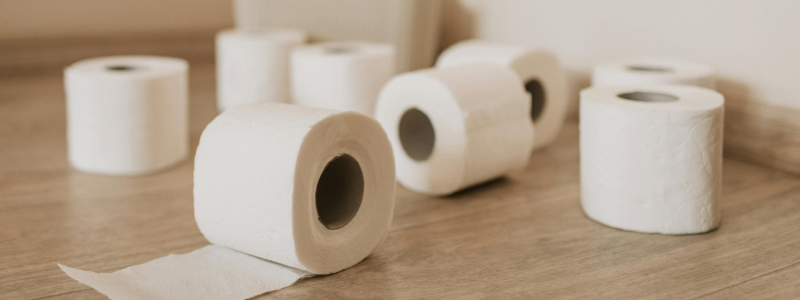
close crop of rolls of toilet paper scattered on hardwood floor

Key takeaways

  • The average American uses 141 rolls of toilet paper each year, contributing to millions of trees being cut down annually.
  • Toilet paper production is resource-heavy, requiring significant water, energy, and chemicals like PFAS “forever chemicals.”
  • Toilet paper alternatives, like wet wipes, can clog systems and harm waterways.
  • Bidets offer a cleaner, gentler, and more eco-friendly solution that can dramatically reduce toilet paper use.

If you’re at all eco-conscious, you’ve probably changed some of your behaviors to cut back on paper and help save trees. Small changes like using cloth napkins instead of a paper towel and requesting paper-free billing is great—but what about all the paper you’re flushing down the toilet?

On average, each American uses up to 141 rolls of toilet paper per year. That’s a pretty staggering number, and all those cottony-soft toilet paper rolls come at a huge cost to your wallet and environment. Trees play a crucial role for our planet’s health, from reducing carbon dioxide in our atmosphere to providing shelter for animals. If you're looking to reduce your carbon footprint, cutting down on toilet paper is a great place to start.

How is toilet paper bad for the environment?

Using and producing toilet paper is surprisingly wasteful, especially since it’s a single-use product designed to be flushed away. Each step in the manufacturing process requires surprising amounts of energy and resources. Once manufactured, toilet paper also has to be packaged and transported, which produces plastic waste and requires plenty of gas and energy.

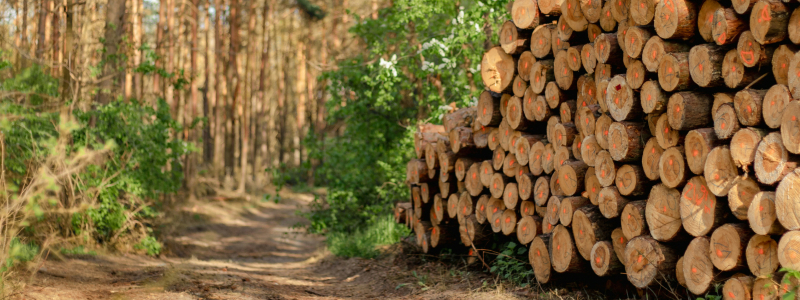
According to Scientific American, 15 million trees are cut down every year to support America’s toilet paper habit. After cutting them down, trees have to be turned into pulp, which requires significant water usage. According to some estimates, as many as 37 gallons of water is used to make a single roll of toilet paper.er
Manufacturing toilet paper with a soft, silky texture requires additional chemical usage. A recent study found that toilet paper is a major source of PFAS or “forever chemicals ,” which have been linked to numerous health issues including certain cancers, reproductive effects, and more.

Can’t they just plant new trees?

Unfortunately, it’s not that simple.

Toilet paper companies can offset some carbon-dioxide emissions by buying wood pulp from more sustainable sources, like tree farms. These are commercial forests planted to be cut down and sold. On one hand, tree farms are good for the environment because they soak up carbon dioxide while providing a source of wood other than old-growth forests.

But tree farms have environmental issues as well, mainly that many are monoculture plantations. Unlike forests in nature, which contain many different types of trees, monoculture plantations are made up of a single species of non-native tree. Not only are they inadequate substitutes for the biodiverse forests they replace—they can displace native plants and animals integral to their ecosystem.

Is toilet paper made from recycled fibers better for the environment?

Using toilet paper made from recycled fibers is definitely a more sustainable option, being made from post-consumer paper instead of forests or tree farms. But the downside is that recycled toilet paper may contain trace amounts of Bisphenol A, otherwise known as BPAs.

BPAs are chemicals used in many products like thermal receipt paper, the kind you might get when you check out at a grocery store. BPAs aren’t utilized in recycled toilet paper on purpose—they find their way inside through recycled paper materials.

If you’re looking to reduce your exposure to BPAs, avoiding recycled toilet paper may help with that.

Is flushing toilet paper bad for the environment?

When it comes to the environment, flushing is one of the only things that toilet paper does well. Toilet paper is biodegradable, so there’s less chance to block pipes, home septic tanks, or sewers.

Wet wipes are another story. While they may clean better than dry paper, they often contain plastic fibers that aren’t biodegradable. This makes wet wipes sturdy enough to hold cleaners and moisturizers—but it also causes all sorts of problems for pipes, sewers, etc. In recent years, “islands” of wet wipes have formed throughout the UK, causing concern from local governments. As a result, the UK has banned wet wipes containing plastic due to their impact on waterways, sewer systems, and marine ecosystems.

If you like the clean feeling that wet wipes provide without the environmental impacts, you’ll want to look into getting a bidet.

How do bidets help reduce or eliminate toilet paper use?

Bidets are appliances that attach to your toilet and clean you with water after you go to the bathroom. They do such a good job getting you clean that you can reduce the amount of toilet paper you use—or eliminate it completely.

After a bidet wash, you can simply pat dry with a small bit of toilet paper, much less than you would need if you didn’t use a bidet. Many bidet users enjoy a machine-washable bidet towel to eliminate toilet paper for drying. These reusable cloths can absorb any extra water, and can be laundered after use to ensure they're always clean.

Another way to go TP-free is to get an electronic bidet toilet seat with a warm air dryer. This feature allows you to dry off using warm air, and is usually activated with the push of a button. People like warm air dryers because they feel good, but also because they allow you to dry while remaining hands-free.

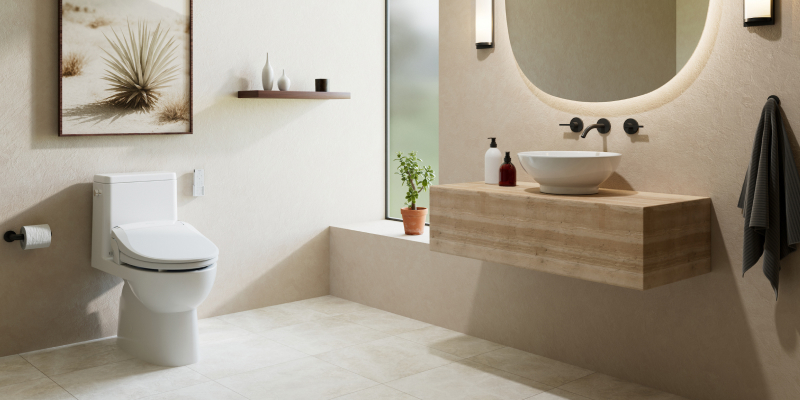
Shown in photo: Swash SE600 Advanced Bidet Seat

Ready to wipe away toilet paper waste for good?

Toilet paper has been the go-to solution for many people’s bathroom routines, but more sustainable and hygienic options are becoming common. Switching to a bidet may be a new experience for you, but the benefits are worth it. You’ll be reducing toilet paper waste, saving money, and modernizing your bathroom—all with one upgrade.